Prompt-Driven Development (PDD) is a newer way of building software where AI does much of the coding. More specifically, it uses large language models (LLMs), the kind of AI behind tools like ChatGPT and Claude. Instead of writing every line yourself, you describe what you want in plain language, and the AI turns that description into working code.
Think of it as moving from "telling the computer how to do every step" to "telling the AI what you want to achieve." Your job shifts towards guiding the AI: explaining the goal, checking what it builds, fixing problems and keeping things documented.
Why Use Prompt-Driven Development?
🚀 Faster Development
- Code written for you: AI can quickly produce boilerplate, helper functions, components and whole project skeletons.
- Quick prototypes: you can turn an idea into something that works in minutes, then improve it.
- Shipping sooner: features and products reach users faster.
💡 More Time for Real Problems
- Less mental load: hand the dull tasks to AI and keep your energy for the hard problems.
- More done: one developer can get through a lot more work.
📚 More Consistent Code
- Following standards: your prompts can tell the AI to stick to your team's patterns and coding style.
- Fewer careless mistakes: generated code avoids many typos and copy-paste errors. You still need to check it, though.
🌐 Open to Non-Developers
- Easier to get started: product managers and analysts can describe what they want and get working code.
- Plain language: everyone uses everyday words, which makes working together easier.
💸 Lower Costs
Faster delivery and less manual work can cut development costs, especially for prototypes and internal tools.
🔁 Help Across the Whole Process
- Improving code: AI can suggest cleaner or faster versions of your code.
- Testing and debugging: AI can write tests, spot bugs and explain error messages.
- Documentation: AI can write code comments, API references and outlines of how the system fits together.
⚠️ The Downsides
- Vague prompts: plain language can be unclear, and unclear prompts give unpredictable results.
- Made-up answers: AI sometimes invents functions or facts that don't exist (this is called "hallucination").
- Size limits: very large prompts or codebases can be more than the AI can take in at once.
- Tracking changes: prompts usually aren't version-controlled, so it's hard to see what changed and why.
- Bias and privacy: AI output can carry bias, and you need to be careful about sending it sensitive data.
- Several attempts: getting the right result often takes a few rounds of rewording.
⚙️ How It Works
- Describe: explain clearly what you want and how it should behave.
- Generate: let the AI write the code, UI or documentation.
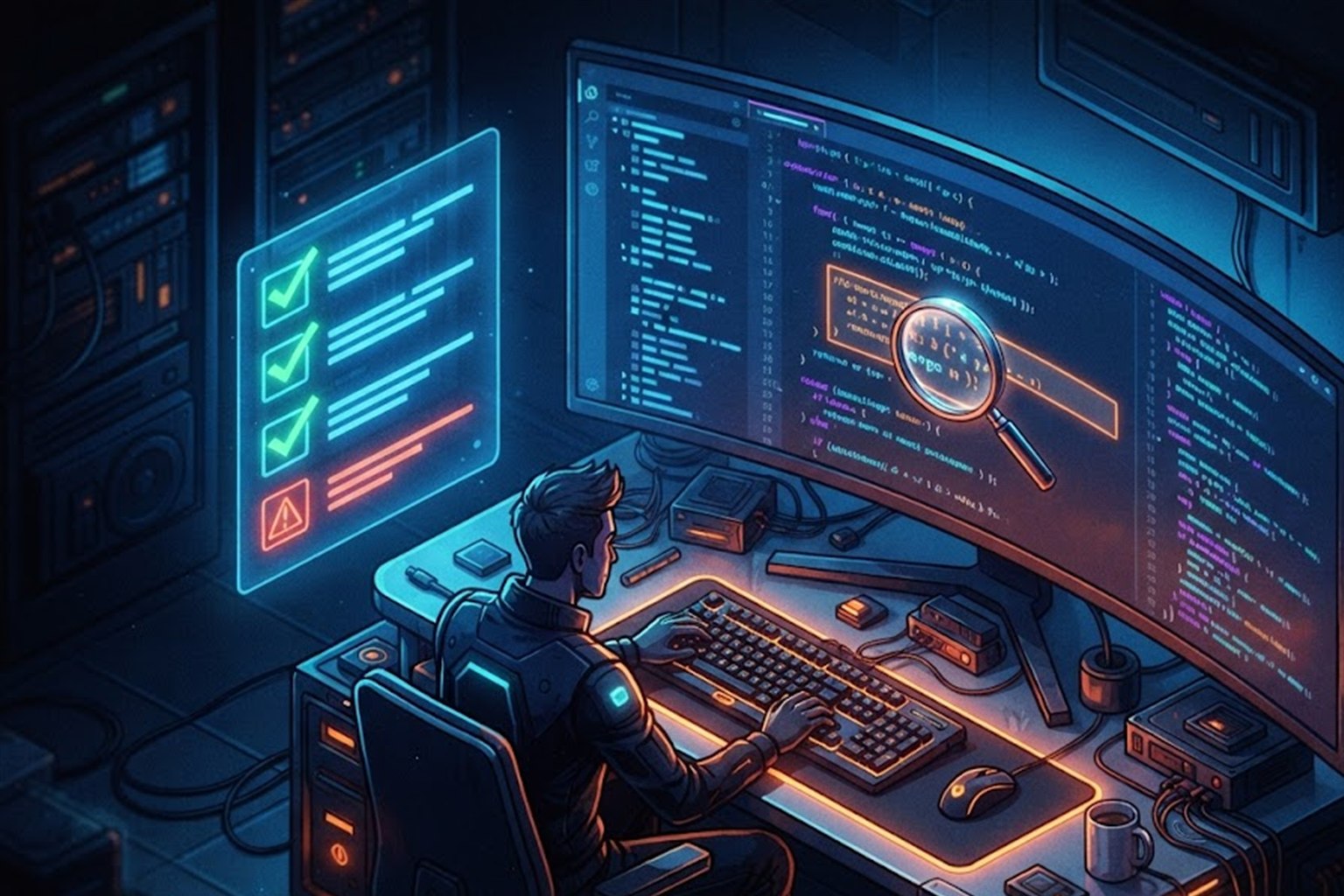
- Review: read it, test it and fix what's wrong.
- Repeat: adjust your prompt or the code until it's right.
📌 A Real Example
A vague prompt: "Write an Express.js API to upload a file and return the S3 URL."
A clear prompt: "Create an Express.js route /upload that accepts a multipart/form-data file upload, stores it in AWS S3, and returns a JSON response with the file's public URL."
The second prompt says exactly what the route is called, what it accepts, where the file goes and what comes back. The more specific you are, the less the AI has to guess.
🧠 When to Use PDD
- Prototypes, first versions and internal tools
- Low-code and no-code projects
- Repetitive tasks like basic create/read/update/delete code
- Any time you want an AI assistant working alongside you
📌 What I Think
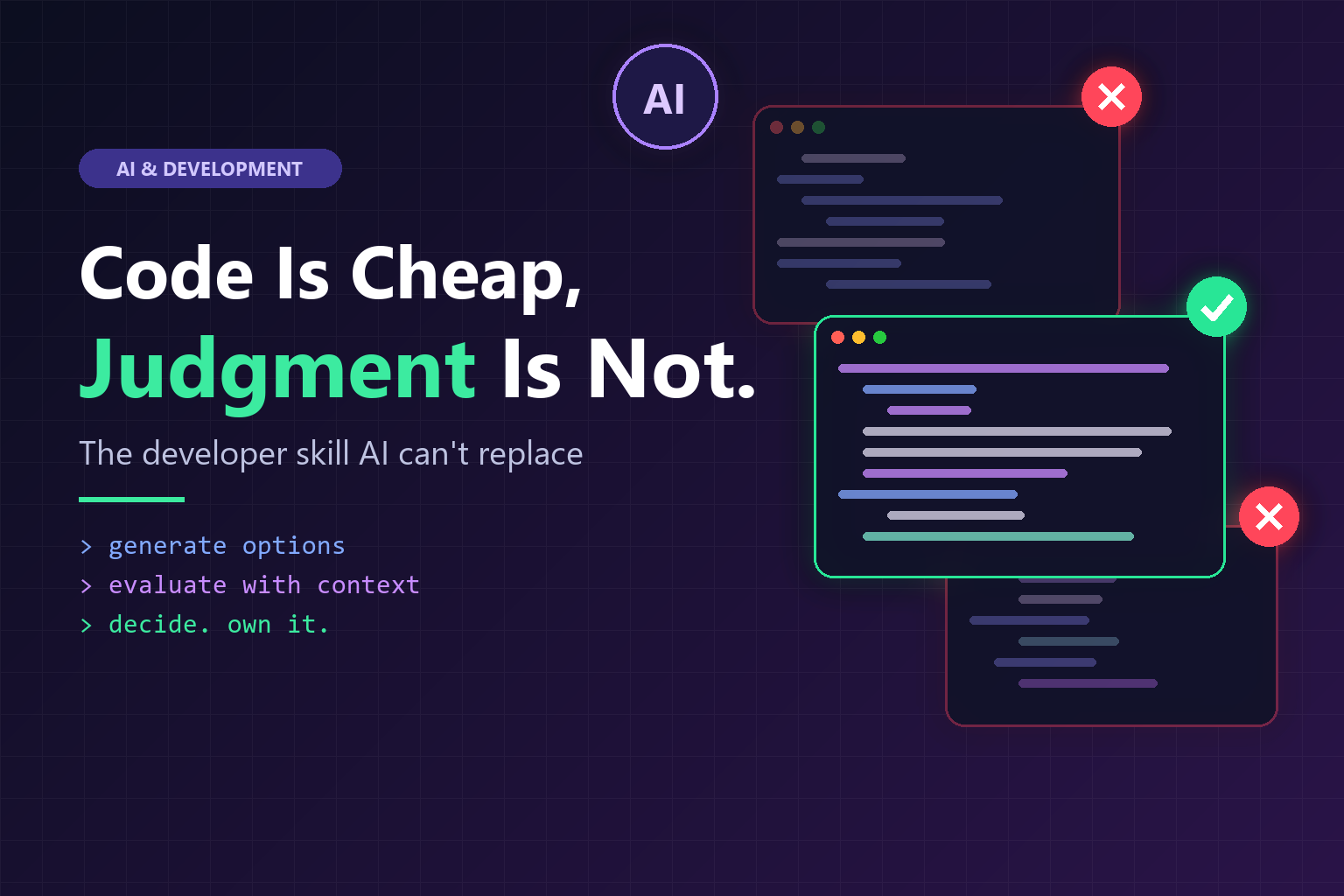
Prompt-Driven Development is a big change in how software gets built. It helps developers move faster and closes the gap between having an idea and seeing it work. It has real problems, and you still need to check everything the AI writes. But as the models keep improving, it will become a normal part of how we work.
Prompt-Driven Development isn't just about writing code faster. It changes how you think about building software.