Work is changing fast. Younger people are joining the workforce with new ideas, strong tech skills and different expectations. If you've been working for a while, you've probably asked yourself: how do I compete with them?
The honest answer is that you don't compete against them. You work alongside them. To do that well, you need to understand what they're good at, what you're good at, and how to put the two together.
What the New Generation Is Good At
Start by being honest about their strengths:
- They're at home with technology: they grew up with it, so they pick up new tools quickly.
- They reach for AI first: they use AI for research, writing and solving problems.
- They see things differently: they question old ways of doing things and try new approaches.
- They're fast: modern tools help them get routine work done quickly.
- They're used to change: learning new things all the time feels normal to them.
What You're Good At
You have strengths that only come with time:
- Deep knowledge: you know your field in ways that can't be learned in a few months.
- Long-term thinking: you've seen what happens a year or five years after a decision.
- Relationships: you have a network of people you've built trust with over years.
- Judgment: you know how to handle tricky situations and difficult people.
- Reliability: you have a track record that people trust.
How to Compete Well
You don't need to become like them. You need to add some of their strengths to yours. Here's how.
1. Use Technology and AI
A lot of their speed comes from AI and modern tools. Use the same ones:
- Use an AI tool every day (ChatGPT, Claude, GitHub Copilot and so on)
- Learn how to write clear prompts so you get useful answers
- Add one or two modern productivity tools to your work
- Keep up with new technology in your field
- Don't just try tools. Learn them well enough that they save you real time
2. Put AI and Experience Together
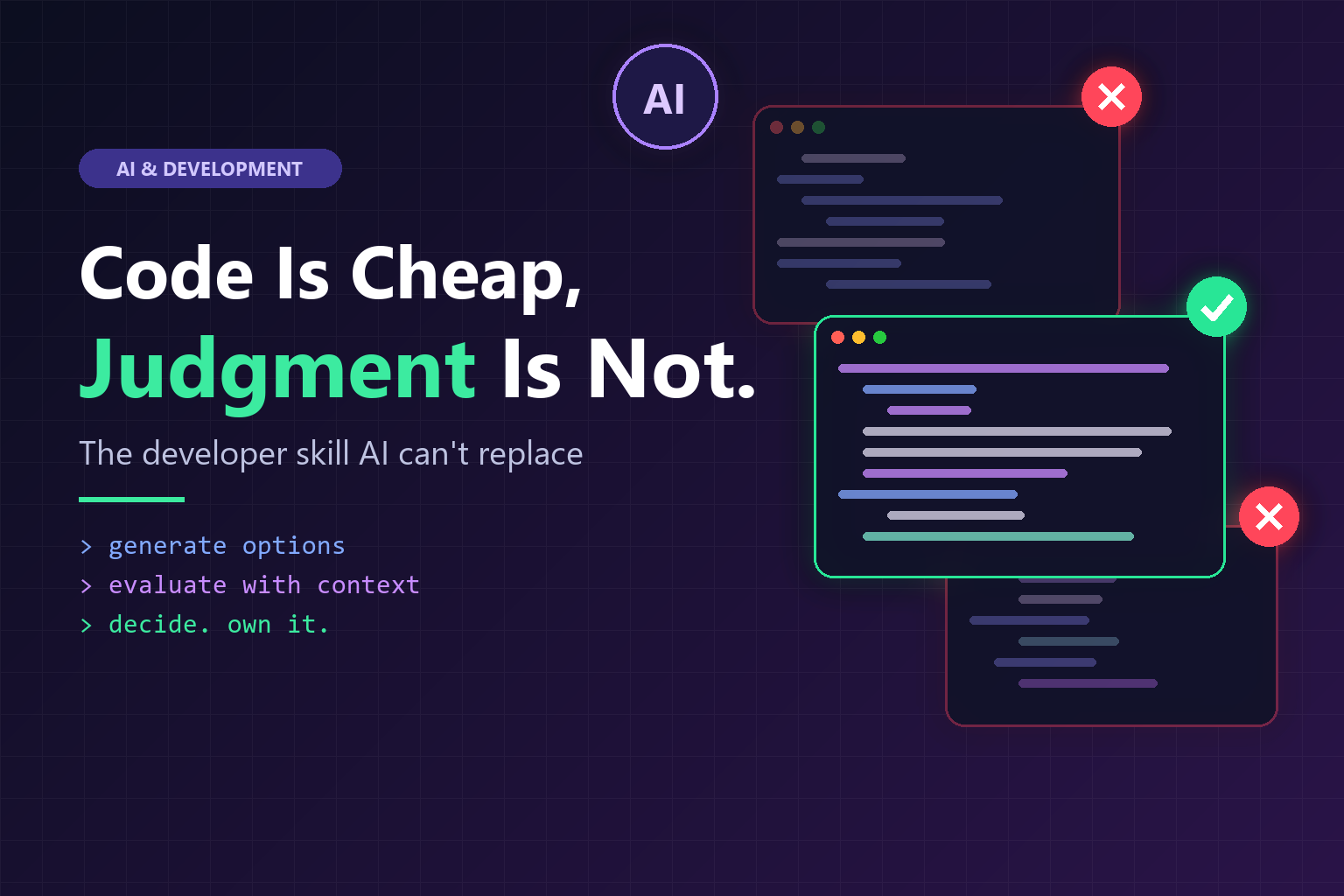
This is where you pull ahead. Use AI for speed, and use your experience for quality and direction.
A simple split: AI does the heavy lifting, like research, first drafts and number crunching. You decide where the work is going, check it and add what you know about the field. Someone with only AI skills or only experience can't match that.
3. Learn from Them and Teach Them
Make learning go both ways:
- Reverse mentoring: let a younger colleague show you new tools and trends
- Share what you know: teach them about the industry, planning and building relationships
- Work on projects together: you'll both see things you'd miss alone
- Stay curious: ask how they work and why
4. Change How You Communicate
Younger colleagues often communicate differently. Meet them halfway:
- Use chat and video calls as well as email
- Keep messages short and clear
- Explain the reasons behind decisions
- Give feedback often, not just once a year
- Listen to their ideas and make it safe for them to speak up
5. Judge Work by Results, Not Hours
Younger workers care a lot about flexibility and balance. Focus on what gets done:
- Measure success by results, not time at a desk
- Be open to flexible working where it makes sense
- Cut steps that don't add value
- Support work-life balance and set a healthy example yourself
6. Keep Learning
Part of their advantage is that they're used to learning all the time. Build the same habit:
- Take a short online course every few months
- Go to workshops or meetups when you can
- Read a few good blogs or newsletters in your field
- Try new tools and ways of working
- Set aside 15 minutes a day. It adds up quickly
7. Use What Makes You Different
Don't try to be someone else. Be the best version of yourself:
- See the big picture: use your experience to spot long-term effects others miss
- Use your network: introduce people and open doors
- Mentor: be the person others come to for advice
- Stay steady: be calm and reliable when things are changing
- Share your lessons: help others avoid mistakes you've already made
From Competing to Working Together
The biggest change is in how you see younger colleagues. Treat them as partners, not rivals:
- They aren't replacing you: their skills fill gaps in yours, and yours fill gaps in theirs
- Mixed teams do better: experience plus new ideas beats either one alone
- When they do well, you do well: helping them succeed makes you more valuable
A 30-Day Plan
Week 1: Get Started
- Sign up for an AI tool (ChatGPT, Claude or one built for your industry)
- Pick one younger colleague you'd like to learn from
- Write down your skills and the gaps you want to fill
- Block 15 to 30 minutes a day for learning
Week 2: Build the Habit
- Use AI for daily tasks like emails, research and writing
- Have your first reverse mentoring chat
- Sign up for one online course in your field
- Try a new way of communicating with your team
Week 3: Go Further
- Get better at prompts for your own kind of work
- Work on a project with a younger colleague
- Offer to mentor someone
- Try one new productivity tool
Week 4: Look Back and Adjust
- Keep the AI routines that save you time and drop the ones that don't
- Set up regular learning chats with colleagues
- Write down what worked and what didn't
- Choose your next learning goal
Mistakes to Avoid
- Resisting change: don't dismiss a new tool just because it's new
- Copying them: don't drop your own strengths to imitate theirs
- Fearing AI: don't avoid it. Use it to do more
- Ignoring their ideas: good ideas can come from anyone, at any age
- Stopping learning: what you know today won't be enough in five years
- Seeing them as a threat: partners get further than rivals
You Can Compete, and Win
Competing with younger colleagues has nothing to do with age. It comes down to adapting, learning and thinking ahead. You have experience. Add modern tools, a habit of learning and a willingness to work together, and you won't just keep up. You'll lead.
The best competitors don't measure themselves against others. They try to be a little better than they were yesterday. Start today.